LGBTQIA+ Affirming Psychiatric Care in Chicago: Mental Health Support in a Safe and Respectful Environment

Finding the right mental health provider is an important decision. For members of the LGBTQIA+ community, finding a psychiatric provider who offers respectful, compassionate, and affirming care can be especially important.
At Elmhurst Psychiatry, we believe everyone deserves access to mental health care where they can feel heard, respected, and comfortable discussing their concerns.
We provide psychiatric evaluations, medication management, and ongoing mental health treatment for children, adolescents, and adults throughout Chicago, Elmhurst, Oak Park, Oak Brook, Lombard, Downers Grove, Schaumburg, and surrounding Chicagoland communities.
Virtual psychiatric appointments may also make it easier for patients throughout Illinois to receive care from the comfort and privacy of home.

LGBTQIA+ Affirming Mental Health Care in Chicago
LGBTQIA+ individuals experience many of the same mental health concerns as everyone else, including anxiety, depression, ADHD, mood disorders, trauma, and difficulties managing stress.
However, some LGBTQIA+ people may also experience additional challenges related to:
Discrimination or prejudice
Family rejection
Bullying
Workplace discrimination
Relationship concerns
Coming out
Social isolation
Identity-related stress
Religious or cultural conflicts
Previous negative experiences with health care providers
Fear of being judged or misunderstood
The American Psychiatric Association’s LGBTQ patient resources discuss the importance of understanding the mental health needs and experiences of LGBTQ individuals.
Mental health treatment should provide an environment where you can discuss what is affecting your life without feeling like you need to hide an important part of yourself.
Mental Health Conditions We Treat
People seek psychiatric treatment for many different reasons. At Elmhurst Psychiatry, treatment may be available for mental health concerns including:
Anxiety
Anxiety can cause persistent worry, racing thoughts, difficulty concentrating, irritability, physical tension, sleep problems, or panic attacks.
Anxiety may also become more difficult when someone is dealing with rejection, discrimination, workplace stress, relationship concerns, or uncertainty about the future.
Treatment can help identify contributing factors and develop strategies for managing symptoms.
Depression
Depression can affect your mood, motivation, relationships, work, school performance, sleep, appetite, and overall quality of life.
Symptoms may include:
Persistent sadness
Loss of interest in activities
Fatigue
Difficulty concentrating
Changes in sleep
Changes in appetite
Feelings of hopelessness
Social withdrawal
Irritability
A psychiatric evaluation can help determine whether depression or another mental health condition may be contributing to these symptoms.
ADHD
ADHD does not disappear based on sexual orientation or gender identity.
Children, teenagers, and adults with ADHD may experience difficulties with:
Concentration
Organization
Time management
Impulsivity
Forgetfulness
Completing tasks
Emotional regulation
School or work performance
A comprehensive psychiatric evaluation can help determine whether symptoms are consistent with ADHD and whether treatment may be appropriate.
Mood Disorders
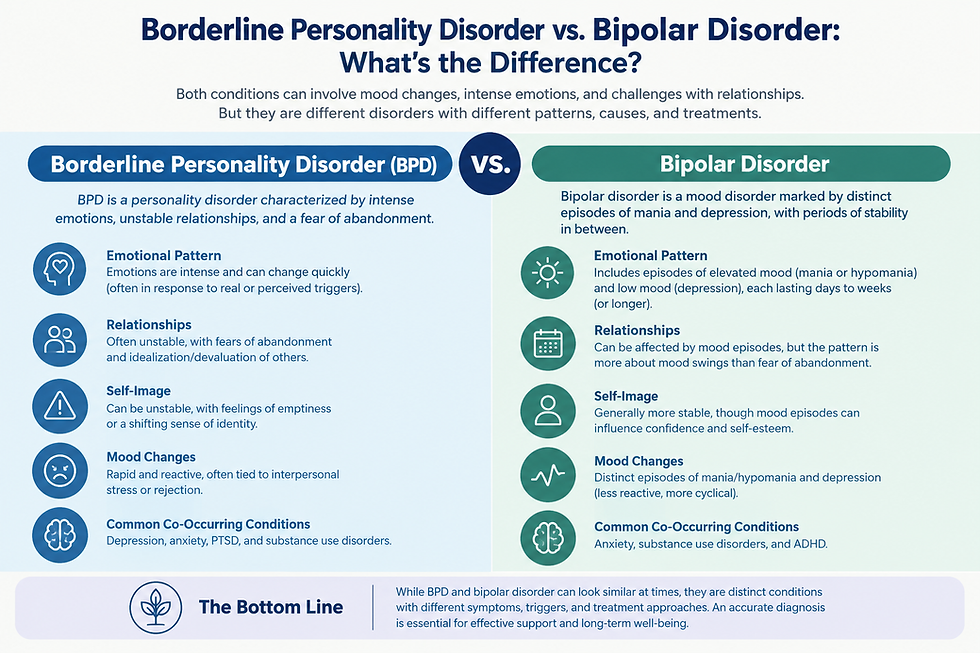
Significant changes in mood, energy, motivation, sleep, or behavior may sometimes be connected with an underlying mood disorder.
Because several mental health conditions can have overlapping symptoms, receiving a thorough psychiatric assessment is important before developing a treatment plan.
Trauma and Stress-Related Symptoms
LGBTQIA+ individuals who have experienced bullying, discrimination, rejection, abuse, harassment, or other traumatic experiences may experience lasting psychological effects.
Symptoms can include anxiety, difficulty sleeping, intrusive memories, emotional distress, avoidance, irritability, or feeling constantly on guard.
The American Psychiatric Association provides additional information about stress, trauma, and mental health within LGBTQ communities.
Why Affirming Psychiatric Care Matters
A strong patient-provider relationship depends on trust.
Patients should feel comfortable discussing their symptoms, relationships, family situation, medications, medical history, and other factors that could influence their mental health.
Affirming psychiatric care means approaching every patient as an individual rather than making assumptions based on sexual orientation or gender identity.
It can include:
Respecting a patient's name and pronouns
Listening without judgment
Maintaining patient privacy
Avoiding assumptions about relationships or identity
Understanding the effects discrimination can have on mental health
Developing treatment plans based on each person's individual needs
The goal is not to make someone's LGBTQIA+ identity the focus of every appointment.
The goal is to make sure patients can discuss any part of their lives that is relevant to their mental health without worrying about being judged.
LGBTQIA+ Mental Health Support for Teens and Young Adults
Adolescence and young adulthood can already involve major emotional, social, educational, and developmental changes.
LGBTQIA+ teens and young adults may sometimes experience additional pressure involving identity, relationships, bullying, family acceptance, or social belonging.
Supportive environments can be particularly important for young people.
The Trevor Project provides research, education, crisis support, and mental health resources specifically focused on LGBTQ+ young people.
Parents who notice significant changes in a child's mood, sleep, school performance, behavior, appetite, friendships, or interest in previously enjoyed activities may want to consider speaking with a mental health professional.
Psychiatric Evaluations for LGBTQIA+ Patients
A psychiatric evaluation provides an opportunity to better understand what you are experiencing.
Depending on your situation, an evaluation may include discussing:
Current symptoms
Mental health history
Medical history
Family history
Current medications
Sleep
School or work
Relationships
Stress
Substance use
Previous treatment
Treatment goals
After evaluating your symptoms and history, your provider can discuss possible treatment recommendations.
Treatment is individualized and may include medication management, psychotherapy recommendations, lifestyle changes, additional testing, or a combination of approaches.
Medication Management
Medication may be appropriate for some patients experiencing conditions such as anxiety, depression, ADHD, bipolar disorder, or other psychiatric conditions.
Medication decisions should be individualized.
Your psychiatric provider can discuss:
Potential benefits
Possible side effects
Medication alternatives
Dosage
Previous medication experiences
Treatment goals
Follow-up monitoring
Medication is only one component of mental health treatment and is not necessarily appropriate for every patient.
Online LGBTQIA+ Psychiatric Care in Illinois
For some patients, traveling to appointments can make obtaining mental health care more difficult.
Telepsychiatry may provide a convenient alternative.
Virtual psychiatric appointments can allow eligible patients to speak with a psychiatric provider through a secure video appointment without traveling to an office.
This can be particularly helpful for individuals living outside Chicago or those who prefer additional privacy and convenience when accessing mental health treatment.
Finding an LGBTQIA+ Friendly Psychiatric Provider
When choosing a psychiatric provider, consider finding someone who:
Makes you feel comfortable
Takes your concerns seriously
Listens without judgment
Respects your identity
Explains treatment recommendations
Answers your questions
Includes you in treatment decisions
Creates a treatment plan based on your individual needs
Mental health care works best when patients feel comfortable communicating openly with their provider.
You Deserve Mental Health Care Where You Feel Respected
Seeking psychiatric treatment is a personal decision, and everyone deserves an environment where they feel respected and supported.
Whether you are struggling with anxiety, depression, ADHD, mood changes, stress, trauma-related symptoms, or another mental health concern, professional psychiatric care can help you better understand what you are experiencing and determine appropriate next steps.
Elmhurst Psychiatry provides compassionate psychiatric care for patients throughout Chicago and the surrounding Chicagoland area, with in-person and virtual appointment options depending on availability and clinical needs.
Schedule a Psychiatric Appointment
If you are looking for LGBTQIA+ affirming psychiatric care in Chicago or Illinois, contact Elmhurst Psychiatry to learn more about available appointments.
If you or someone you know is experiencing a mental health crisis or having thoughts of suicide, call or text 988 or visit the 988 Suicide & Crisis Lifeline LGBTQ+ resources for immediate support.


Comments