Self-Pay Psychiatry Near Chicago: Flexible Mental Health Care Without Using Insurance

Finding the right psychiatric care should not have to depend entirely on your insurance coverage. For individuals and families searching for self-pay psychiatry near Chicago, paying directly for psychiatric services can provide another way to access personalized mental health care.
At Elmhurst Psychiatry, we provide psychiatric care for patients in Elmhurst and surrounding Chicago-area communities. Self-pay options may be helpful for people who do not have insurance, prefer not to use their insurance, have high deductibles, or simply want greater flexibility when choosing a psychiatric provider.
What Is Self-Pay Psychiatry?
Self-pay psychiatry means paying directly for psychiatric services rather than having the provider submit the visit to an insurance company.
You may still have health insurance and choose to self-pay. Other patients may use self-pay services because they are uninsured or because their particular insurance plan does not provide the access or flexibility they are looking for.
Self-pay psychiatric care may include services such as:
Psychiatric evaluations
Medication management
Follow-up psychiatric appointments
Evaluation and treatment of anxiety
Depression treatment
ADHD evaluation and management
Bipolar disorder treatment
Mood disorder treatment
Other behavioral and mental health concerns
The appropriate treatment depends on each patient's symptoms, medical history, goals, and individual clinical needs.
Why Do Some Patients Choose Self-Pay Psychiatry?
There are several reasons someone may search for a self-pay psychiatrist near Chicago.
More Choice When Selecting a Provider
Using insurance may limit patients to providers participating in a particular insurance network. Self-pay care can give patients more freedom to select a psychiatric provider based on their individual needs rather than solely on insurance-network participation.
High-Deductible Insurance Plans
Having insurance does not necessarily mean every appointment is inexpensive. Patients with high-deductible plans may be responsible for a significant portion of their medical expenses before their insurance benefits begin covering more of the cost.
For some people, knowing the self-pay cost of an appointment can make planning for mental health care easier.
Choosing Not to Use Insurance
Some individuals have insurance but decide not to use it for a particular health care service. The Centers for Medicare & Medicaid Services explains that people who do not have insurance or choose not to use their insurance may qualify for certain self-pay protections, including receiving a Good Faith Estimate of expected charges.
Greater Transparency About Costs
Knowing the expected cost of an appointment before receiving care can make it easier to budget for treatment.
Federal rules generally require health care providers to provide uninsured or self-pay patients with a Good Faith Estimate when services are scheduled sufficiently in advance or when an estimate is requested.
What Happens During a Psychiatric Evaluation?
A psychiatric evaluation gives your provider an opportunity to better understand what you are experiencing.
Depending on your situation, your provider may discuss:
Current symptoms and concerns
Mental health history
Previous psychiatric treatment
Current and previous medications
Medical conditions
Sleep patterns
Changes in mood
Anxiety or panic symptoms
Concentration and attention difficulties
Substance use
Family psychiatric history
Current stressors and life circumstances
The goal is to develop an individualized treatment plan based on your specific needs.
Treatment may include medication, psychotherapy, lifestyle changes, referrals to other professionals, or a combination of approaches.
The National Institute of Mental Health (NIMH) explains that psychiatric medications can play an important role in treating mental health conditions and are often used alongside other forms of treatment. Medication response varies from person to person, which is why ongoing monitoring with a qualified provider is important.
Self-Pay Medication Management Near Chicago
Medication management involves more than simply writing a prescription.
During follow-up appointments, a psychiatric provider may evaluate how well a medication is working, discuss potential side effects, monitor changes in symptoms, and determine whether adjustments may be appropriate.
Mental health medications can affect individuals differently. Finding an effective treatment plan may require ongoing communication and occasional medication adjustments.
Regular follow-up appointments allow patients and providers to evaluate progress and make treatment decisions together.
Conditions That May Benefit From Psychiatric Care
People seek psychiatric care for many different reasons. You do not necessarily need to wait until symptoms become severe before speaking with a mental health professional.
Psychiatric care may be appropriate for individuals experiencing symptoms related to:
Anxiety
Persistent worry, panic attacks, racing thoughts, physical tension, difficulty sleeping, or anxiety that interferes with everyday activities may be reasons to seek an evaluation.
Depression
Depression can affect mood, sleep, motivation, concentration, appetite, energy, relationships, and daily functioning.
NIMH notes that depression treatment can include psychotherapy, medication, or a combination of approaches depending on a person's individual situation.
ADHD
Attention-deficit/hyperactivity disorder can affect concentration, organization, time management, impulsivity, and other areas of daily functioning.
A psychiatric evaluation can help determine whether symptoms may be related to ADHD or another condition.
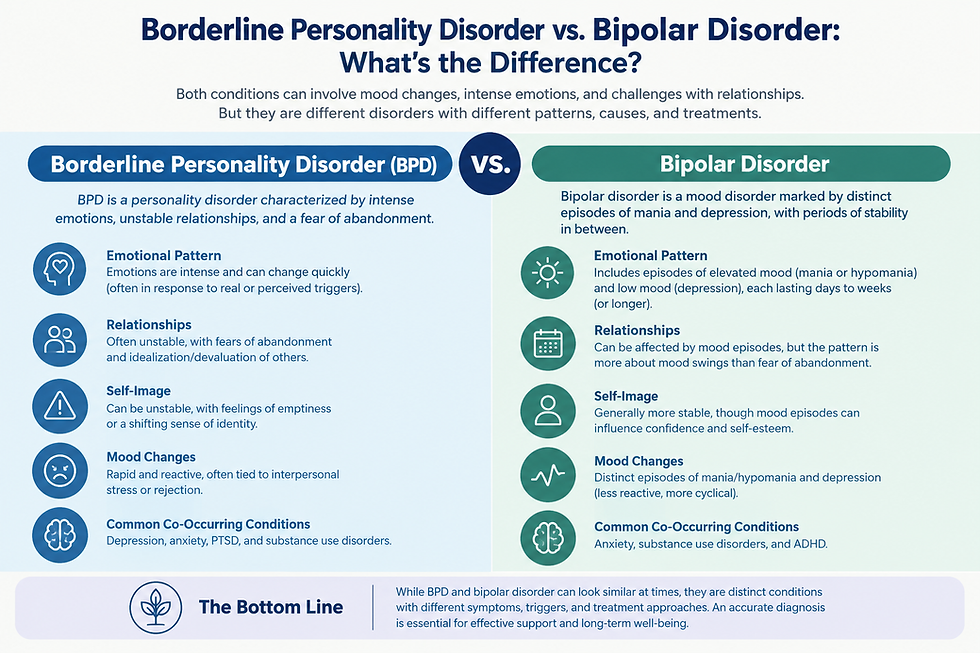
Bipolar and Mood Disorders
Significant changes in mood, energy, sleep, activity, or behavior may warrant professional evaluation. Proper diagnosis is particularly important because treatment approaches can vary considerably among different mood disorders.
Other Mental Health Concerns
Psychiatric providers may also help evaluate other emotional, behavioral, and mental health symptoms.
The Substance Abuse and Mental Health Services Administration (SAMHSA) recommends looking for qualified, licensed professionals and evidence-based care when choosing mental health treatment.
You Can Have Insurance and Still Choose Self-Pay Care
One common misconception is that self-pay services are only available to people without health insurance.
That is not necessarily the case.
Some patients have private health insurance but choose to pay directly for certain services. Before scheduling, patients should ask the practice about current self-pay policies, appointment costs, and available payment options.
You can also contact your insurance company if you have questions about possible out-of-network benefits or reimbursement.
Schedule a Self-Pay Psychiatry Appointment Near Chicago
Mental health treatment should be based on your individual needs.
If you are looking for self-pay psychiatry near Chicago, contact Elmhurst Psychiatry to learn more about available appointments, current self-pay rates, and psychiatric services.
Whether you are seeking help with anxiety, depression, ADHD, mood changes, medication management, or another mental health concern, the first step is scheduling an evaluation with a qualified mental health professional.
Contact Elmhurst Psychiatry today to learn more or schedule an appointment.
Medical Disclaimer: This article is for general educational purposes and is not a substitute for individualized medical advice, diagnosis, or treatment. If you are experiencing a medical emergency, call 911. If you or someone you know is experiencing a mental health crisis or suicidal thoughts, call or text 988 for the Suicide & Crisis Lifeline.


Comments